Cultural Attraction
Cambodia Walkstreet
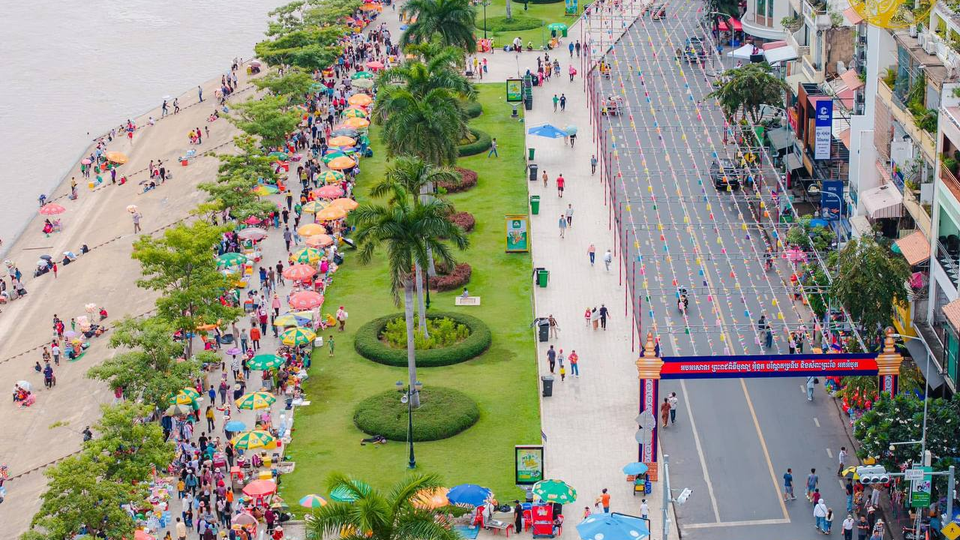 Every weekend, the heart of Phnom Penh transforms as locals and visitors alike gather along the vibrant Cambodia
Walkstreet, stretching from the Night Market to the front of the Royal Palace. This scenic riverside promenade
comes alive after sunset, offering an unforgettable blend of culture, entertainment, and culinary delights.
Every weekend, the heart of Phnom Penh transforms as locals and visitors alike gather along the vibrant Cambodia
Walkstreet, stretching from the Night Market to the front of the Royal Palace. This scenic riverside promenade
comes alive after sunset, offering an unforgettable blend of culture, entertainment, and culinary delights.
The atmosphere is electric with music, laughter, and the aroma of street food wafting through the air.
Families, couples, and groups of friends stroll beneath twinkling lights while enjoying a rich variety of
performances. Traditional Cambodian dance showcases the country’s artistic heritage, while younger performers
light up the street with modern styles like K-pop, rap, and other international genres.
A highlight of Walkstreet is its celebration of Cambodian culture through traditional games. Visitors can
watch or join in age-old favorites such as leaf fighting contests, Cambodian tug of war, and jump rope, a
playful way to connect with local customs and the joy of everyday life.
Equally appealing is the array of local food stalls, where vendors serve up authentic Cambodian cuisine.
From freshly made nom banh chok (Khmer noodles) to sweet palm sugar cookies, each bite offers a taste of
homemade tradition. These delicacies are often cooked by local families, adding a personal touch to every meal.
Another favorite activity is a boat ride on the Tonle Sap River, providing breathtaking views of the city
skyline reflected on the water, perfect for a romantic evening or a peaceful escape from the crowd.
More than just a night market, Cambodia Walkstreet is a cultural experience. It offers a chance to engage
with local traditions, sample authentic flavors, and enjoy the lively spirit of Phnom Penh in a warm,
welcoming setting.
Phum Preah Dak
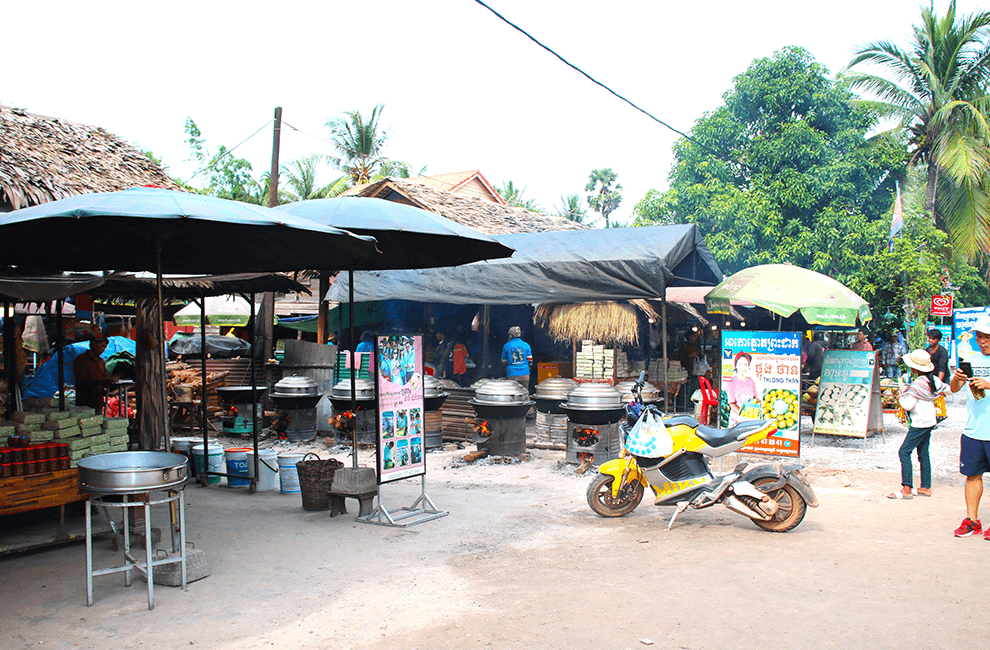 Just a short drive from Siem Reap, Preah Dak Village offers a unique and authentic glimpse into everyday
Cambodian life. Far from the tourist crowds, this quiet village is full of heart, where traditions are alive
and the community welcomes visitors with warm smiles and open arms.
Just a short drive from Siem Reap, Preah Dak Village offers a unique and authentic glimpse into everyday
Cambodian life. Far from the tourist crowds, this quiet village is full of heart, where traditions are alive
and the community welcomes visitors with warm smiles and open arms.
What makes Preah Dak villagespecial is the way it preserves the Khmer way of life. Here, locals rise with the sun,
tend to rice fields, and gather ingredients fresh from the land. Walking or biking through the village, you’ll
witness children playing traditional games, families preparing meals together, and elders crafting tools and
sweets by hand.
Food is at the heart of the culture, and Preah Dak is known for some truly unforgettable flavors. Suckling pig
with prahok sauce is a local favorite—crispy, juicy pork paired with Cambodia’s bold, fermented fish condiment.
For those with a sweet tooth, don’t miss cassava cake (num bak ben), a soft and slightly chewy treat made with
grated cassava, coconut milk, and palm sugar, steamed in banana leaves.
You can also watch the age-old process of sugar palm production, where sap is harvested high in the trees,
then cooked slowly into golden palm sugar. These small moments—sharing stories, learning recipes, trying snacks
from roadside stalls—are what make Preah Dak unforgettable.
Want to stay a little longer? Opt for a local homestay to fully immerse yourself. Sleep in traditional stilt
houses, join morning cooking routines, and enjoy hearty Khmer meals prepared with love.
Whether you’re savoring street food, watching farmers work the land, or simply soaking in the calm rhythm of
rural life, Preah Dak Village is a beautiful reminder of Cambodia’s rich culture and everyday charm.
Preah Ang Thom Pagoda
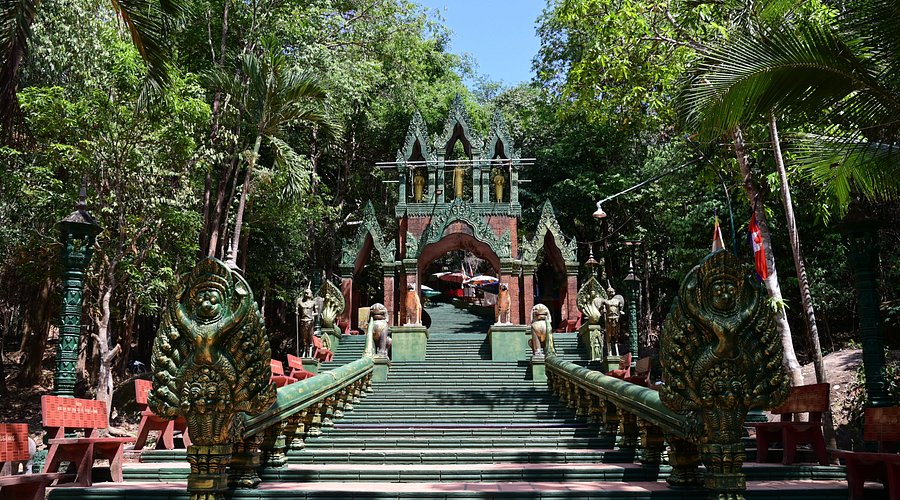 High on Kulen Mountain in Siem Reap, you'll find Preah Ang Thom Pagoda, home to Cambodia’s largest
reclining Buddha. But this isn’t just a place to take photos, it’s a deeply spiritual site where Cambodian
culture and Buddhist traditions are still very much alive.
High on Kulen Mountain in Siem Reap, you'll find Preah Ang Thom Pagoda, home to Cambodia’s largest
reclining Buddha. But this isn’t just a place to take photos, it’s a deeply spiritual site where Cambodian
culture and Buddhist traditions are still very much alive.
Locals and pilgrims come here to light incense, leave offerings, and quietly pray beneath the eight-meter-
long Buddha, carved directly into the sandstone centuries ago. The statue shows the Buddha in his final
peaceful rest, symbolizing the moment he reached full enlightenment.
As you walk around the pagoda, you’ll notice the peaceful rhythms of daily life. Monks in saffron robes
chant softly while visitors sit nearby with hands pressed together in prayer. Elder women in white, known
as yeay chi, help keep the grounds clean, arrange offerings, and guide younger worshippers in how to pay
their respects properly.
It’s common to see people offering fruit, flower garlands, or small candles, simple gifts given from the
heart. Some leave whisper silent wishes as they pass the sacred statue. You might even receive a red thread
bracelet from a monk as a blessing for protection.
During festivals like Khmer New Year or Pchum Ben, the atmosphere becomes even more special. Families travel
from far away to make offerings for their ancestors, listen to traditional chants, and take part in communal
meals.
Visiting Preah Ang Thom isn’t just about seeing a famous landmark, it’s about experiencing the quiet strength
of Cambodian faith and the warm, welcoming spirit of the people who care for this sacred mountain home.